

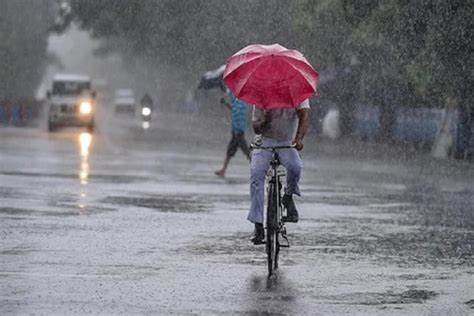
A monsoon is a change in wind patterns that frequently ushers in either a very wet or a very dry season. Monsoons can occur in many tropical and subtropical climates, including some locales in the United States, even though they are typically associated with areas of Asia.
Upstream parts of Pakistan are expected to see more monsoon rains this week, the Meteorological Office said on Tuesday.
According to the Pakistan Meteorological Department (PMD), monsoon flows from the Arabian Sea are likely to enter the upper reaches.
The country’s top meteorologist also said a westerly wave is also likely to enter these areas tomorrow (Thursday).
Showers/windstorms – with individual downpours – are expected over Kashmir, Neelum Valley, Muzaffarabad, Poonch, Hattian, Bagh, Haveli, Sudhanoti, Kotli, Bhimber, at Mirpur, at Gilgit Baltistan’s Diamer, Astore, Ghizer, Skardu, Hunza, Gilgit, Ghanche, Shigar, Murree, Galyat from August 2 to 7 with occasional hiatus.
Also, Islamabad, Rawalpindi, Attock, Chakwal, Jhelum, Mandi Bahauddin, Hafizabad, Gujranwala, Gujrat, Sialkot, Narowal, Lahore, Sheikhupura, Chitral, Dir, Swat, Shangla, Buner, Mansehra, Kohistan, Abbottabad, Haripur, Peshawar, Mardan, Swabi and Nowshera are also expected to see rain. Additionally, showers/thunderstorms are possible in Kurram, Lakki Marwat, Kohat, Dera Ismail Khan, Bannu, Karak, Waziristan, Kasur, Mianwali, Sargodha, Khushab, Faisalabad, Toba Tek Singh, Jhang and Bhakkar from the 4th. through August 7 with occasional gaps.
Precaution:
Heavy rains can also cause urban flooding in low-lying areas of Islamabad, Rawalpindi, Peshawar, Gujranwala and Lahore from 4 to 7 August and could trigger landslides in vulnerable areas of Murree. , Galliyat, Kashmir, GB and hilly areas of Khyber. Pakhtunkhwa during the wet period.
The PMD also issued a warning that wind/storms could damage loose structures such as power poles and solar panels.
“People are advised to stay in safe places during storms/lightning/heavy rains,” he added.
