
The Kharian-Rawalpindi Motorway: A ‘Shortcut’ in More Ways Than One?
In a classic case of “rules are made to be broken,” the government has decided in principle to hand over the Rs. 205 billion Kharian-Rawalpindi Motorway (M-13) project to the Frontier Works Organisation (FWO)—and here’s the kicker: without open bidding. The proposal, which was approved by the Board of Directors of the Public Private Partnership Authority (P3A), was recommended by the National Highway Authority (NHA). Their reasoning? FWO is “in a position to begin work immediately.” Because who has time for competitive bidding when there’s a road to build? The government invoked provisions of the P3A Act that allow for negotiated procurement, bypassing the usual competitive process. Interestingly, ECNEC had approved the project in April with a clear directive: international competitive bidding. But apparently, that was just a suggestion. Why the Motorway Matters The M-13 is expected to shorten the distance between Lahore and Rawalpindi by approximately 100 km and reduce travel time by over an hour compared to the existing M-2. A welcome development for commuters—assuming the project doesn’t hit the usual delays, cost overruns, or transparency issues. What Happens Next? The proposal now heads to the federal cabinet for final approval. If given the green light, the project will be developed under the Build-Operate-Transfer (BOT) model. The Bigger Question While the motorway promises convenience, the decision to bypass open bidding raises important questions about transparency, accountability, and fair competition. Will this “shortcut” ultimately benefit the public or just a select few? Disclaimer: This post is for informational purposes only and is based on publicly available reports.
Petrol Prices in Pakistan are now Cheaper than India
Great News, Everyone! We’re the Best at Being the Cheapest! 🎉 Pakistan’s petrol prices are now lower than India, Bangladesh, China, and Sri Lanka. At just 299 PKR per litre, we’re practically giving it away—while our neighbors cry over 315, 329, 371, and 410 PKR respectively. But wait—don’t pop the celebratory confetti just yet. Because while we’re busy comparing prices, the average Pakistani is still wondering how to afford anything with skyrocketing inflation and a crumbling rupee. But hey, at least we’re winning the “Who’s Got Cheaper Fuel” contest, right? Sure, fuel prices fluctuate due to exchange rates, taxes, and global oil markets—but why let facts get in the way of a good brag? Let’s just hope our “competitive” fuel prices don’t come at the cost of everything else. Because while petrol might be cheaper, the rest of life sure isn’t. What’s your take—are we celebrating too soon or is there a method to the madness? Drop your thoughts below! 😏👇 Disclaimer: This post is for informational purposes only and is based on publicly available reports. The image is AI-generated and for reference only. #Pakistan #PetrolPrices #FuelPrices #Economy #SouthAsia #CurrentAffairs #SarcasmAlert #FuelUpdate
No More Friday Holiday Says Government
Pakistan Ends Some Austerity Measures – Here’s What’s Changing Prime Minister Shehbaz Sharif has approved the rollback of several austerity steps that were introduced back in March. These measures were originally put in place due to rising global fuel prices amid tensions between Iran and the US. Here’s what’s being reversed: ✅ Work-from-home is over – employees are back to offices ✅ Additional holidays have been cancelled ✅ Fuel quotas for officials are now unrestricted ✅ Government vehicles – previously grounded at 60% – are back on the road But not everything is changing. The 9 PM market closure rule stays in place. Shops, malls, and markets must close by 9 PM, while restaurants and cafés can stay open until 11 PM. Delivery services remain exempt. So, while the government is easing some restrictions, the market timings are here to stay – at least for now. What do you think – is this a step in the right direction or too soon? Let me know in the comments. 👇 Disclaimer: This post is for informational purposes only and is based on publicly available reports. The image is AI-generated and for reference only. #Pakistan #ShehbazSharif #AusterityMeasures #Government #FuelPolicy #Economy #WorkFromHome #MarketTimings
Pakistan Losing 11000 Hectors Forest Area Every Year
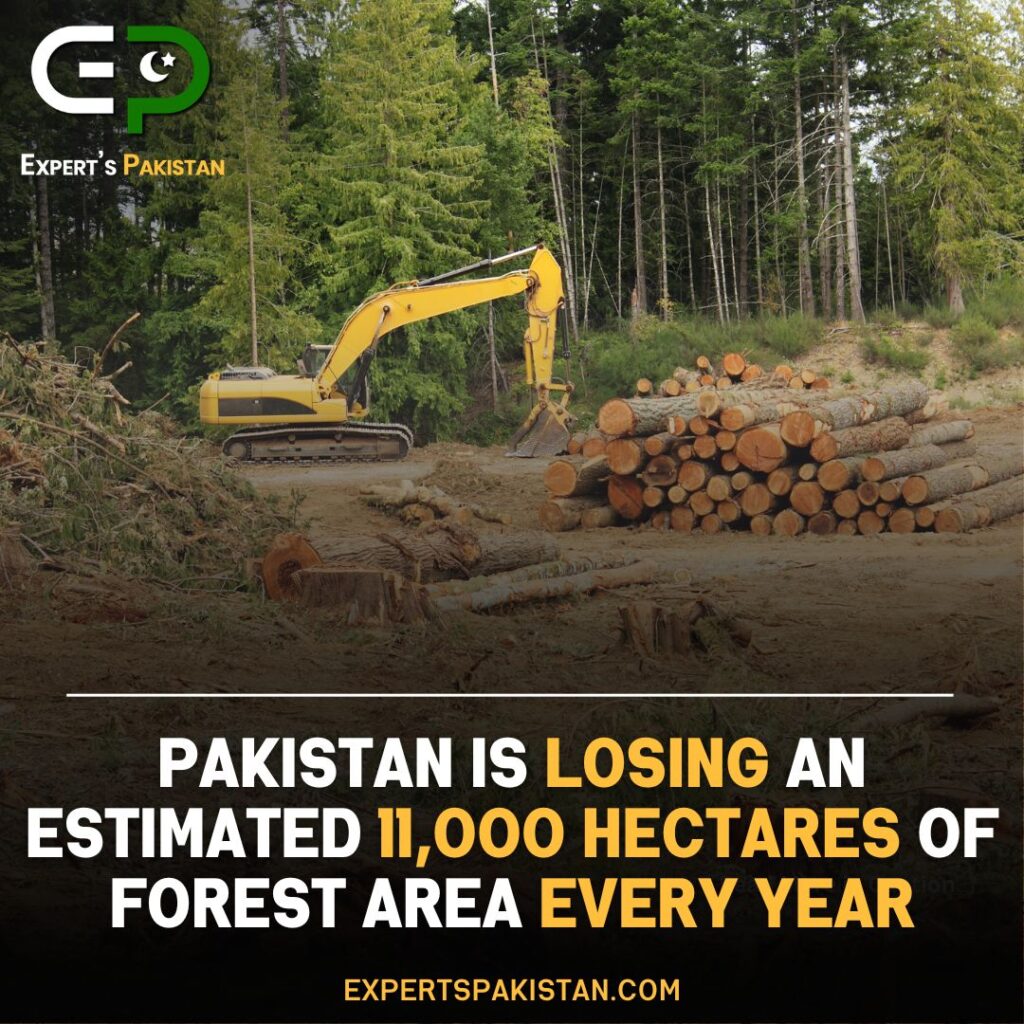
Just 1% of the world’s population is responsible for half of all aviation emissions. Meanwhile, the poorest 50% contribute almost nothing to the climate crisis but bear its harshest consequences. But let’s look closer to home. Why are our hill stations—Naran, Kumrat, Kaghan, Aragn Kel, Keran, Atabad Lake—once pristine escapes—now buried under concrete? The answer? Unplanned tourism and unchecked housing societies. Every year, tourists flock to these valleys, and every year, more trees fall to make way for hotels, shops, and roads. No master plan. No environmental impact assessment. Just profit-driven chaos. People visit these places for their natural beauty, but leave behind crowds, litter, and a trail of construction. We can’t blame tourism alone—it’s the lack of vision and regulation that turns paradise into a parking lot. If we continue at this pace, what will be left for our children? A hill station? Or a concrete jungle with a mountain view? We need a shift. Sustainable tourism. Eco-friendly infrastructure. And yes, accountability—starting with the housing societies that put profit over preservation. Let’s not trade our mountains for malls. 🌍🏔️ #ClimateCrisis #SustainableTourism #SaveOurMountains #Pakistan #Naran #Kumrat #ConcreteJungle #PlanetOverProfit
Pakistan Introduces New Poverty Formula, Sets Poverty Line at Rs8,483 Per Person
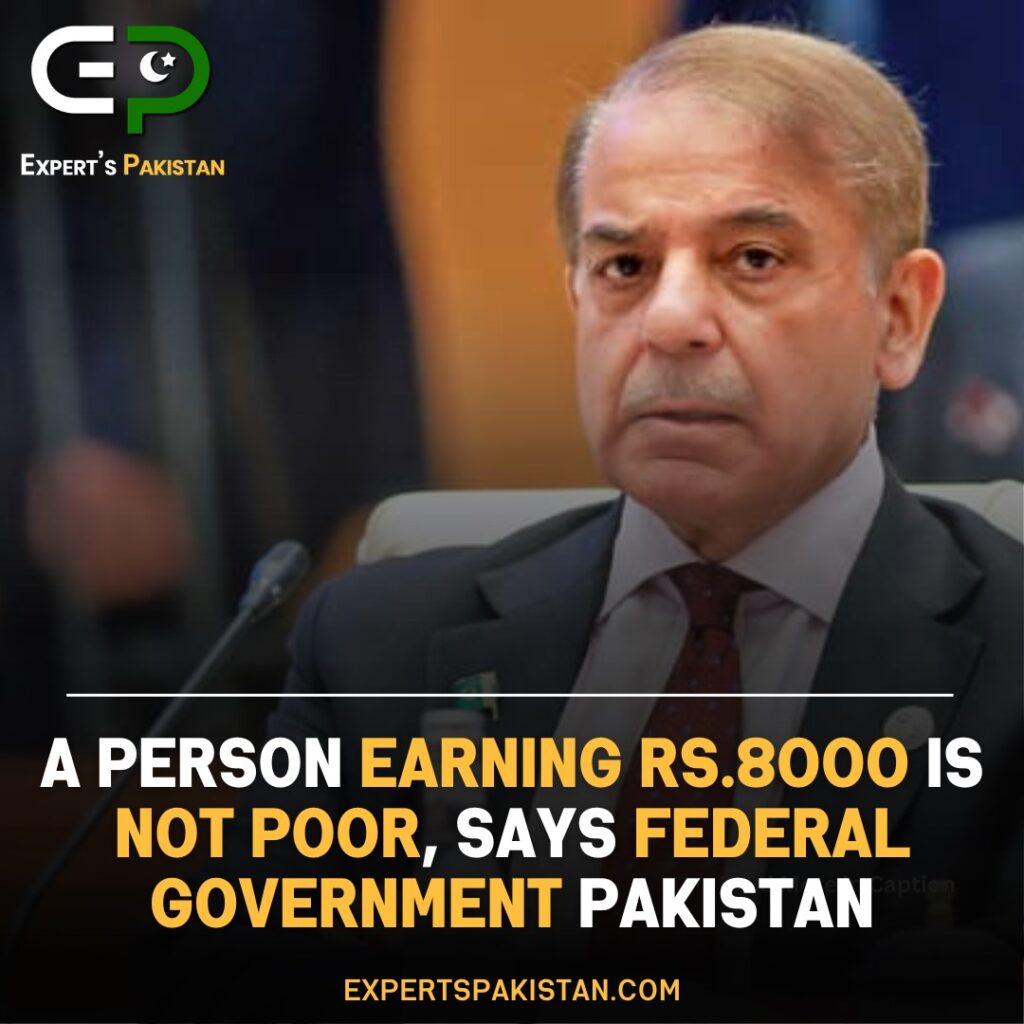
In a significant policy shift, the federal government has unveiled a new methodology for measuring poverty, officially setting the poverty threshold at Rs8,483 per person per month. Under the revised formula, individuals earning more than Rs8,483 each month will not be considered poor. The updated framework aims to redefine how poverty is measured across the country and how household welfare is assessed for policy planning and social support programs. The announcement has already sparked discussion among economists, policymakers, and social welfare experts, with many questioning how effectively a single income benchmark can reflect the varying cost of living across different regions of the country. According to official estimates based on the new methodology, approximately 28.9% of Pakistan’s population currently lives below the poverty line. This means nearly three out of every ten citizens fall within the government’s definition of poverty under the revised measurement system. Supporters argue that the updated approach provides a more standardized and data-driven method for tracking poverty trends. Critics, however, are expected to scrutinize whether the threshold accurately captures the economic realities faced by households struggling with inflation, rising utility costs, healthcare expenses, and education-related spending.
Inside the High-Stakes Gamble to Tax Pakistan’s 4 Million Retailers
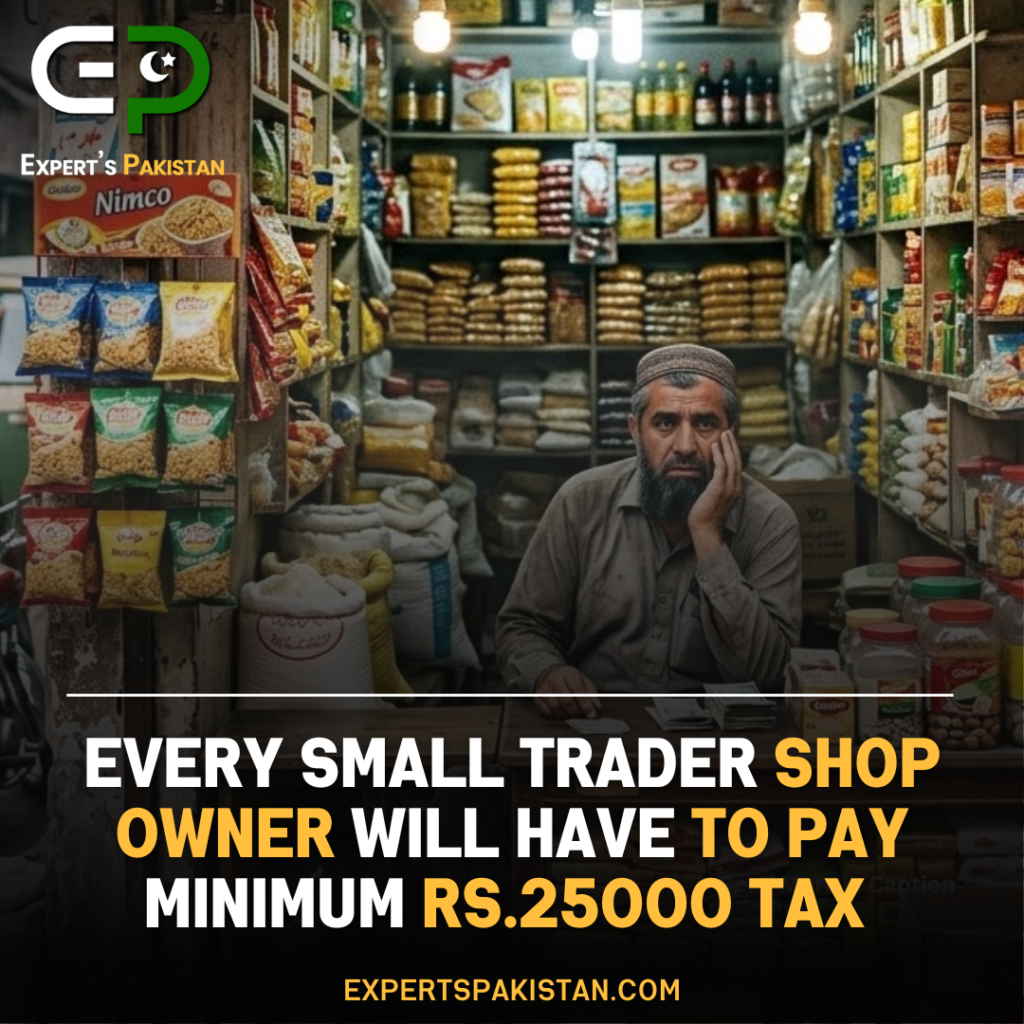
ISLAMABAD — In a move that could permanently alter the DNA of Pakistan’s informal economy, the federal government has launched a massive, simplified dragnet designed to pull three to four million small shopkeepers into the national tax net. The announcement came during a high-powered joint press conference featuring Federal Minister for Finance and Revenue Senator Muhammad Aurangzeb, Minister of State Bilal Azhar Kayani, and FBR Member Hamid Atiq Sarwar. It signals the beginning of an aggressive economic transition: shifting Pakistan from a state of fragile recovery to aggressive, long-term sustainability. Surviving the Economic Storm The backdrop to this policy shift is nothing short of dramatic. According to Finance Minister Aurangzeb, Pakistan’s economy has successfully developed a hard shell, managing to withstand a brutal combination of massive flood expenditures and volatile oil import bills triggered by the ongoing Middle East conflict. With stabilization achieved, the government is now hunting for untapped revenue—and they have set their sights on the retail sector. The 1% Carrot and Stick To bypass decades of retailer resistance, the government is offering an alluring olive branch. Under the newly minted Tax Facilitation Scheme, retailers pulling in up to Rs200 million annually can completely bypass the traditional bureaucratic nightmare. The deal is fiercely streamlined: The Ultra-Simple Process: Traders can enter a fixed-tax regime by filling out a single-page declaration form. The Flat Rate: Tax liability is locked at just 1% of declared annual turnover. The Immunity: Participating shopkeepers are granted total immunity from mandatory POS machine installations, routine tax audits, and complex withholding agent obligations. Furthermore, any withholding taxes already sliced from their utility bills can be adjusted directly against this liability. The QR Code Shield In perhaps the most futuristic twist to the policy, registered shopkeepers will be issued a special compliance identification plate featuring a unique QR code. This plate acts as a digital shield, allowing swift verification by authorities while explicitly protecting law-abiding retailers from the plague of unannounced, disruptive shop inspections. The Ultimate Litmus Test By lowering the barrier to entry to a single piece of paper and a 1% rate, the state is testing whether Pakistan’s retail giants will voluntarily step into the formal economy. If successful, this scheme will dramatically broaden a notoriously narrow tax base and fund the country’s next phase of development. If it fails, the government may have to resort to much harsher measures to balance the books.
ISLAMABAD IS BLEEDING MARRIAGES: 38 Divorces Every Single Hour!
ISLAMABAD — The capital’s social fabric is shredding at a terrifying, unprecedented pace. In a heartbreaking crisis reported by 24NewsHD TV channel, an apocalyptic surge in divorces is tearing families apart, leaving a trail of shattered homes and devastated children. The numbers are no longer just statistics—they are a cultural emergency: The Hourly Massacre of Homes: A staggering 38 divorce cases are registered every single hour in the capital, fueling a massive 45,000 cases already filed this year alone. The Daily Deluge: Courtrooms are drowning as 9,000 new divorces hit the desks every month—amounting to over 300 agonizing family disputes crashing into courts every single day. The Catastrophic Trajectory: The collapse is accelerating wildly. From 85,000 cases in 2023, the number skyrocketed to 91,000 in 2024, exploding into a monstrous 100,000 divorces in 2025. The Dead-on-Arrival Vows: Even as 30+ court marriages happen daily, the illusion quickly shatters. Over the last four years, dozens of couples couldn’t even survive 90 days, filing for divorce within a mere one to three months of saying “I do.” The Toxic Culprits: Love, Drugs, and Despair Legal experts are pointing fingers at a harsh reality: the vast majority of these tragic splits stem from failed love marriages. When the initial romance fades, it is instantly suffocated by the brutal, modern plagues of rampant drug abuse and crushing unemployment. A Divine Warning & A Call to Arms This is a spiritual disaster. In Islamic tradition, while permissible, divorce remains the most deeply disliked and hated permissible action in the sight of Almighty Allah. We cannot afford to look away. This is an urgent, flashing red distress signal for the state and Islamic scholars alike. We desperately need immediate public education grounded in the Holy Quran, alongside mandatory relationship workshops and crisis training. If we do not act now to teach mutual responsibility, the ultimate victims—our innocent children—will carry the scars of this societal collapse forever.
Your Ultimate Guide to Starting an Online Business in Pakistan

Staying updated with the news is crucial, but have you ever thought about building a future that’s entirely your own? With a growing internet user base and a booming digital economy, there has never been a better time to start an online business in Pakistan. This guide isn’t just a list of ideas; it’s a step-by-step walkthrough to take you from a simple thought to your first sale. We’ll skip the complicated jargon and give you clear, actionable advice you can start using today. Why an Online Business is Your Smartest Move Let’s be honest, the traditional job market can be tough. An online business offers a powerful way to break through. Here’s what makes it so compelling: Unlimited Reach: Your shop is no longer limited to your local neighborhood. You can sell to customers in Karachi, Lahore, Islamabad, and even across the globe. Low Startup Cost: Many online ventures require minimal investment compared to renting a physical shopfront. Flexibility: You can build your business around your life, working from home and managing your own schedule. Scalability: As your business grows, your online platform can grow with it without the same physical constraints. 5 Proven Online Business Ideas for Pakistanis You don’t need a revolutionary idea to succeed. You need to execute a solid one better than anyone else. Here are five proven paths you can take. Business Idea Core Concept Skills Needed Potential Startup Cost Dropshipping You sell products to customers, but a third-party supplier holds the inventory and ships it for you. Marketing, customer service Low (Website, marketing budget) Freelancing Offer your skills (writing, graphic design, programming) on platforms like Upwork and Fiverr. A marketable skill (e.g., SEO, content writing) Very Low Digital Products Create and sell downloadable items like resume templates, SEO guides, or digital art. Design, content creation, marketing Low Affiliate Marketing Promote other companies’ products on your website or social media and earn a commission on sales. Content creation, SEO, building an audience Very Low Niche Blog/Website Build a website around a passion (e.g., Pakistani cuisine, tech reviews) and earn through ads and affiliates. Writing, SEO, patience Low (Hosting, domain) Your 5-Step Roadmap to Launch A great idea is nothing without a plan. Follow these steps to build a strong foundation for your business. Find Your Niche and Validate It The key is to be specific. Instead of “selling clothes,” think “premium embroidered Kurtas for men.” This helps you stand out. Ask yourself: Is there a demand? Are people already spending money in this area? Use your knowledge of local needs to find a gap in the market. Build Your Digital Shopfront Your website is your online identity. For a professional touch, it’s worth getting a proper domain and hosting. Your website must be fast and easy to use on a mobile phone, as most Pakistanis browse the internet on their devices. A clean, simple design builds trust and keeps visitors engaged. Create Content That Connects and Sells This is where you attract your audience. Don’t just sell; teach, help, and engage. For example, if you’re selling kitchenware, post recipes and cooking tips. This “evergreen content”—content that stays relevant for months or years—will continuously bring new visitors from Google. Focus on solving your customers’ problems, and you will build a loyal following. Drive Traffic with Smart Marketing You’ve built a great site; now, how do people find it? SEO (Search Engine Optimization): This is how you get free traffic from Google. Use the keywords your potential customers are searching for naturally in your titles and content. Tools like Google Keyword Planner can help you find these terms. Social Media: Be where your audience is. Platforms like Facebook, Instagram, and TikTok are powerful for building a community and promoting your content. Share behind-the-scenes stories and run engaging campaigns. Master the Logistics Plan for the practical side before you launch. Payments: Offer multiple easy ways for customers to pay. Options like JazzCash, EasyPaisa, and bank transfers are essential in Pakistan. Delivery: Partner with a reliable courier service like TCS, Leopards, or Pakistan Post. Be transparent about delivery times and costs. Essential Tools to Get You Started You don’t need to break the bank. Here are some fundamental tools to launch your business: Website Builder: WordPress.com is a versatile and popular choice for everything from blogs to online stores. Graphic Design: Canva (free version available) for creating social media posts and simple graphics. Communication: WhatsApp Business for customer support and order updates. Final Words of Motivation Building a successful online business doesn’t happen overnight. It’s a journey of consistent learning and effort. You will face challenges, but every successful entrepreneur started where you are right now. The digital landscape in Pakistan is full of opportunity. By providing real value and building trust with your audience, you can create a sustainable and profitable business. Stop just reading the news—start building your own story. What’s the first business idea that excited you? Let us know in the comments below!
Pakistani Passport Ranked 4th Worst in World for 4 Straight Years

It’s another disappointing year for Pakistan’s passport. For the fourth year in a row, it’s been ranked one of the worst in the world. Out of 199 passports, Pakistan came in at a dismal 100th place, the same as last year. This means people with Pakistani passports can only travel to 33 countries without getting a visa beforehand. That’s only slightly better than Iraq, Syria, and Afghanistan, which hold the very bottom spots. Meanwhile, countries like Singapore, Germany, and Japan are at the top of the list, with their citizens able to travel to almost anywhere in the world without needing a visa. Even the United Arab Emirates jumped way ahead, landing in 9th place. It seems like Pakistan is stuck in the same place, making it harder for its people to explore the world freely.
115 Civilians Killed in Protest Against Government in Bangladesh

Chaos and Bloodshed in Bangladesh: Students Demand Justice DHAKA: Massive protests have erupted in Bangladesh, turning deadly as students, government supporters, and armed police clash violently. The trigger? A deeply controversial civil service job quota system that many believe is grossly unfair. Dozens have been killed, and hundreds more injured as riot police unleash tear gas and rubber bullets on demonstrators. The streets and university campuses of Dhaka and other cities are swarming with angry crowds wielding sticks. The tension is palpable, and the atmosphere is electric with fury. In a dramatic turn of events, state broadcaster Bangladesh Television (BTV) went off the air after student protesters allegedly set its headquarters on fire. Calls for a nationwide shutdown are growing louder, posing a significant challenge to Prime Minister Sheikh Hasina’s government. Authorities have cut mobile and internet services, closed schools and universities, and deployed security forces to stamp out the unrest. However, human rights groups are accusing them of using unlawful force against the protesters. So, why are these students so furious? It all boils down to the government’s quota system. More than half of the civil service jobs are reserved for specific groups, with 30% set aside for relatives of veterans from the 1971 war of independence. While these roles offer job security and higher pay, many students see the system as discriminatory and biased towards supporters of Hasina’s ruling Awami League party. They demand a merit-based recruitment process. Maruf Khan, a Bangladeshi student in Australia, explains the frustration: “About 500,000 to 600,000 people are competing for 600 to 700 government jobs, and with a 56% quota, it’s not easy.” High unemployment, especially among the youth, exacerbates the anger. Despite recent economic growth, inequality has widened, leaving over 30 million people without work or education. The quota system was scrapped in 2018 after similar protests, but in June, the High Court reinstated it, sparking fresh outrage. On July 10, the Supreme Court suspended the quotas for a month to review the case. Critics argue the system creates a privileged class benefiting from their connections. Student protester Tahmeed Hossain sums it up: “The quota was logical in the past, but now it’s discrimination.” The protests began at Dhaka University on July 1 and quickly spread. Violence erupted on July 15 when ruling party supporters allegedly attacked student protesters. The situation has only worsened since, with the government deploying the paramilitary Rapid Action Battalion, notorious for human rights abuses. The nation holds its breath as the battle for justice and equality rages on.