

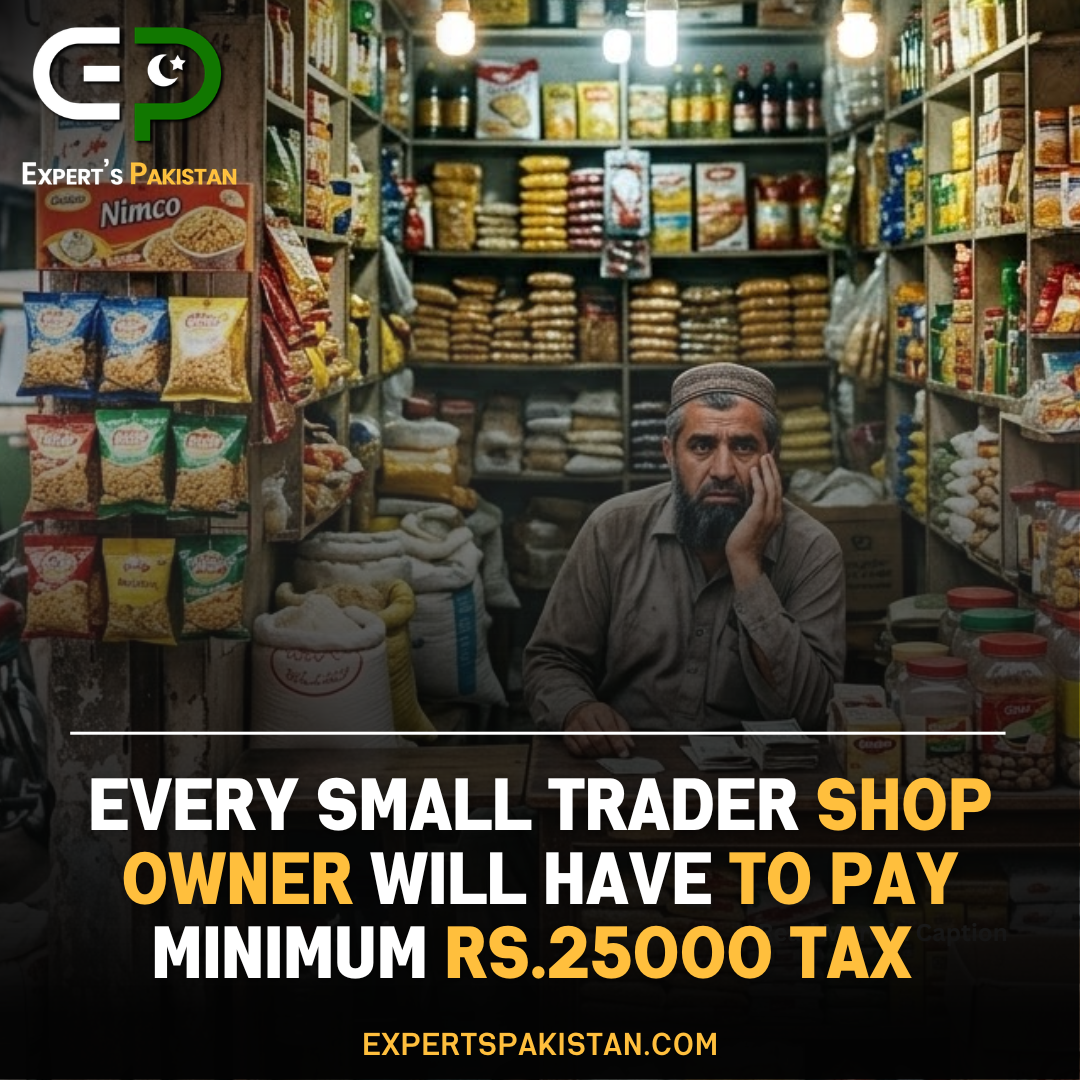
ISLAMABAD — In a move that could permanently alter the DNA of Pakistan’s informal economy, the federal government has launched a massive, simplified dragnet designed to pull three to four million small shopkeepers into the national tax net.
The announcement came during a high-powered joint press conference featuring Federal Minister for Finance and Revenue Senator Muhammad Aurangzeb, Minister of State Bilal Azhar Kayani, and FBR Member Hamid Atiq Sarwar. It signals the beginning of an aggressive economic transition: shifting Pakistan from a state of fragile recovery to aggressive, long-term sustainability.
Surviving the Economic Storm
The backdrop to this policy shift is nothing short of dramatic. According to Finance Minister Aurangzeb, Pakistan’s economy has successfully developed a hard shell, managing to withstand a brutal combination of massive flood expenditures and volatile oil import bills triggered by the ongoing Middle East conflict. With stabilization achieved, the government is now hunting for untapped revenue—and they have set their sights on the retail sector.
The 1% Carrot and Stick
To bypass decades of retailer resistance, the government is offering an alluring olive branch. Under the newly minted Tax Facilitation Scheme, retailers pulling in up to Rs200 million annually can completely bypass the traditional bureaucratic nightmare.
The deal is fiercely streamlined:
The Ultra-Simple Process: Traders can enter a fixed-tax regime by filling out a single-page declaration form.
The Flat Rate: Tax liability is locked at just 1% of declared annual turnover.
The Immunity: Participating shopkeepers are granted total immunity from mandatory POS machine installations, routine tax audits, and complex withholding agent obligations. Furthermore, any withholding taxes already sliced from their utility bills can be adjusted directly against this liability.
The QR Code Shield
In perhaps the most futuristic twist to the policy, registered shopkeepers will be issued a special compliance identification plate featuring a unique QR code. This plate acts as a digital shield, allowing swift verification by authorities while explicitly protecting law-abiding retailers from the plague of unannounced, disruptive shop inspections.
The Ultimate Litmus Test
By lowering the barrier to entry to a single piece of paper and a 1% rate, the state is testing whether Pakistan’s retail giants will voluntarily step into the formal economy. If successful, this scheme will dramatically broaden a notoriously narrow tax base and fund the country’s next phase of development. If it fails, the government may have to resort to much harsher measures to balance the books.
